10 Hydroponic Plants that are Super-Easy to Grow


Disclaimer: As an Amazon Associate, I earn from qualifying purchases. But there are no additional costs to you.

The easiest hydroponic plants to grow are lettuce, herbs like basil and mint, spinach, chives, and strawberries. These crops have compact roots, low nutrient demands, and fast harvest times, which makes them more forgiving of the inevitable mistakes that come with learning a new system.

The hardest part of starting a hydroponic garden isn’t the setup. It’s picking the right plants. If you start with something too demanding, you might spend your first few weeks troubleshooting instead of harvesting.

A failed first grow doesn’t just mean lost plants. It means wasted nutrients, wasted time, and the creeping feeling that hydroponics just isn’t for you. Most people who quit early do so because they started with plants that punish every beginner mistake.

This guide covers 10 of the easiest plants to grow in any hydroponic setup, with growing details, practical tips, and what to watch for with each one — so you can start harvesting quickly and build from there.

Related: 15 Best Hydroponic Tips for Successful Growing

Hydroponic plants thriving in hydroponic garden setup indoors

What Makes a Plant Easy to Grow Hydroponically?

Not all plants adapt equally well to soilless systems. The easiest ones tend to share a few traits: compact or fibrous root systems that fit comfortably in net pots, modest nutrient requirements that are easy to manage, fast growth rates that reward beginners with quick results, and flexibility across different hydroponic system types.

The 10 plants below check most or all of these boxes — they are forgiving, productive, and well-suited to both first-time and experienced hydroponic growers.

Here are my top 10 picks when it comes to the easiest plants to grow in a hydroponic garden:

1. Lettuce

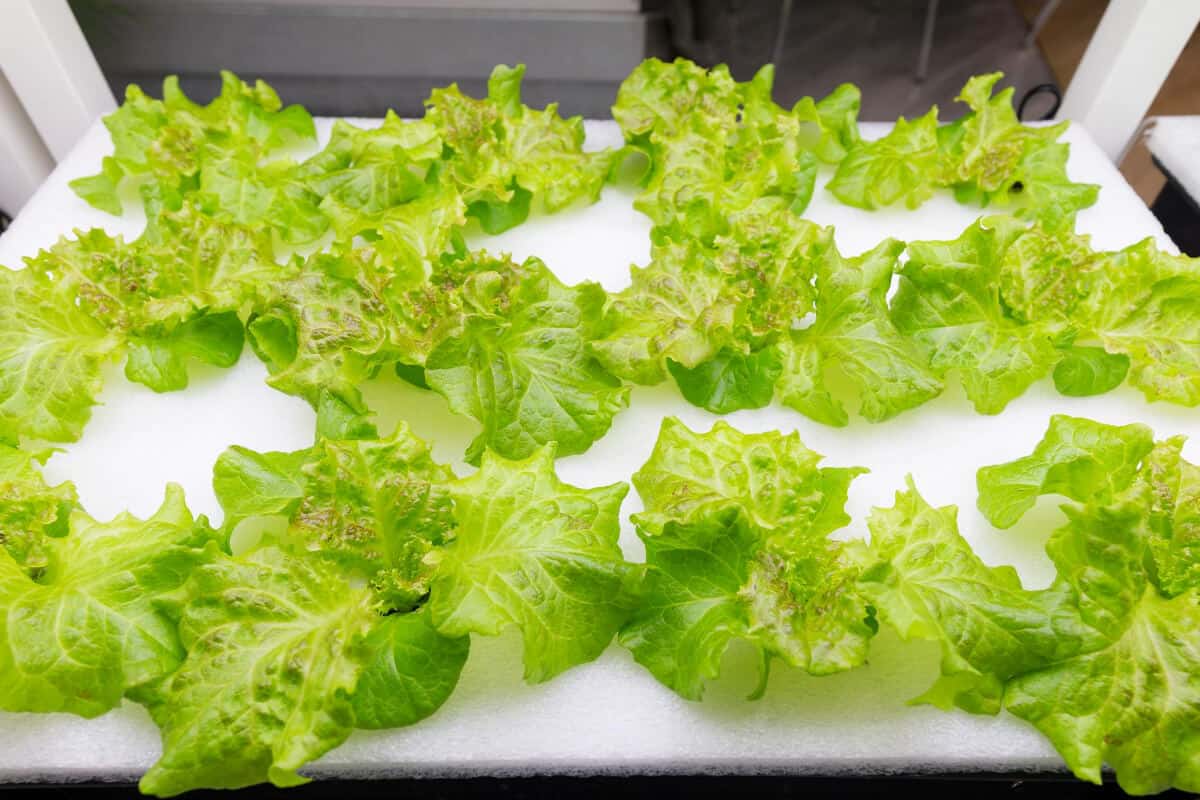
Hydroponic lettuce plants thrive on a white foam board with green leaves spread out evenly.

Growing lettuce is one of the most popular choices for hydroponic gardens because of how fast and easily it produces. It thrives in any type of hydroponic system and is ready to harvest in as little as 3 to 4 weeks.

It does not matter whether you have an Aeroponics setup, Ebb and Flow, Deep Water Culture, or NFT — lettuce performs well in all of them. Loosehead varieties are the easiest for beginners. Butterhead and romaine are also reliable choices with slightly more flavor than loose-leaf types.

Key growing details:

  • Growth time: 3 to 4 weeks
  • Best systems: DWC, NFT, Kratky
  • Ideal pH: 6.0 to 7.0
  • Light: 12 to 16 hours per day
  • Difficulty: Easy

Tips for success: Keep water temperatures below 70°F to prevent bolting. Harvest outer leaves continuously rather than pulling the whole plant for a longer harvest window. Lettuce prefers lower nutrient concentrations than most other crops. Start with a diluted solution and increase only if you see pale or yellowing leaves.

Lettuce was the first thing I tried when I set up our DWC system, and I still grow it constantly. I was genuinely shocked by how fast it came in compared to our outdoor raised beds. What surprised me even more was how little I had to think about it once the nutrients and pH levels were dialed in — we’d check in every couple of days, and it just grew.

Read more about growing Hydroponic Lettuce.

2. Chives
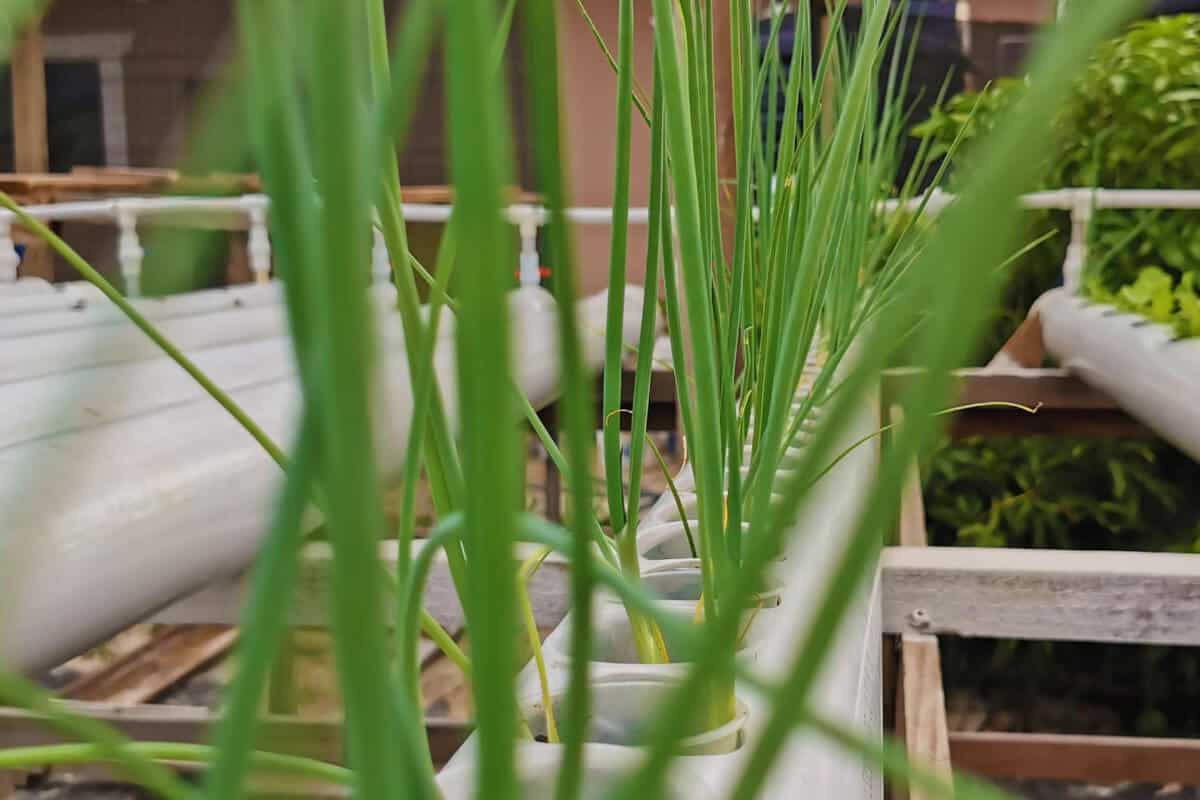
A vertical farm with multiple levels of green grass growing in white trays.

Chives do not take up much space and produce new leaves year-round for cutting. They can be harvested about every 2 to 3 weeks. Chives are naturally insect and pathogen-repellent, which makes them one of the lowest-maintenance herbs you can grow hydroponically.

Key growing details:

  • Growth time: 3 to 4 weeks to first harvest
  • Best systems: DWC, NFT, Kratky
  • Ideal pH: 6.0 to 6.5
  • Light: 12 to 14 hours per day
  • Difficulty: Easy

Tips for success: Start chives from seeds rather than transplants for the best results in hydroponic systems. Trim back to about 2 inches above the roots after each harvest to encourage a full regrowth cycle. Because they grow in clumps, a single net pot can produce a generous ongoing yield without needing much space.

Related: 7 Best Hydroponic Herbs to Grow and Tips

3. Strawberries

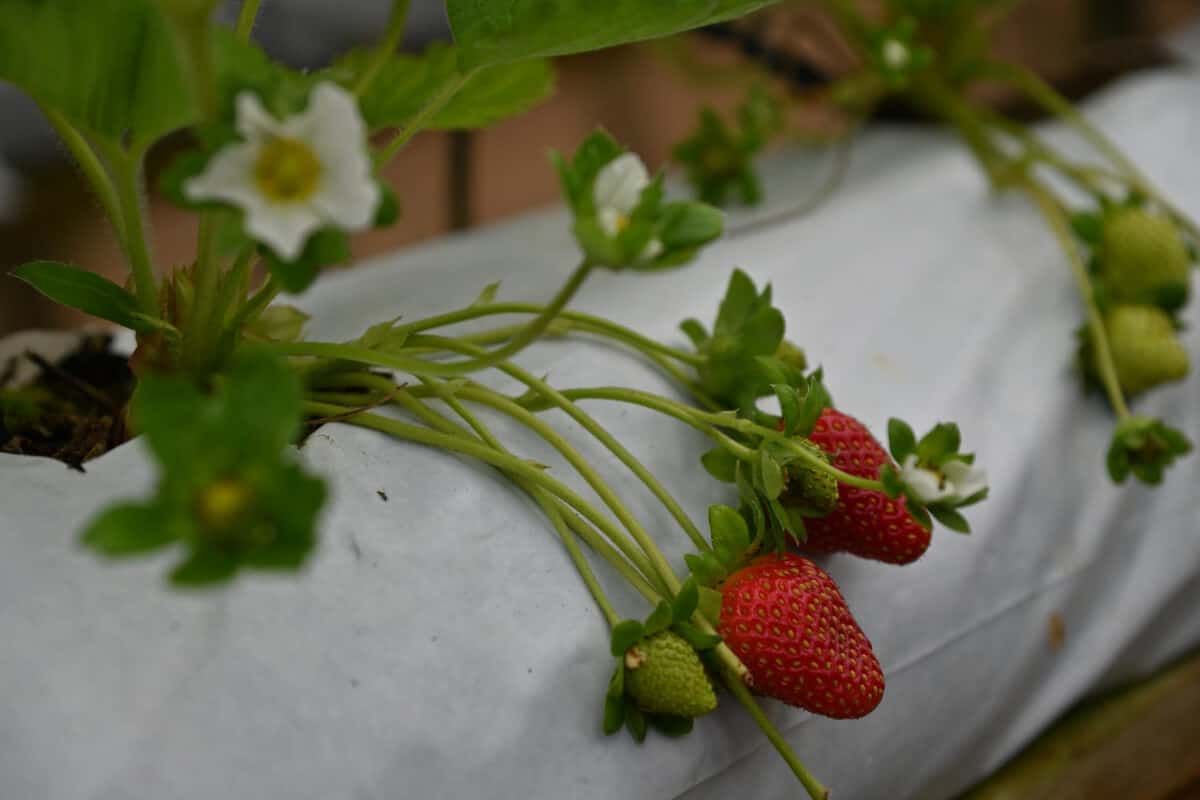
Close-up of a hydroponic strawberry plant with green leaves and white flowers growing in a white plastic gutter.

Strawberries grow faster hydroponically than in soil, and the lack of weeds and digging makes them significantly lower maintenance. Strawberry plants are also easily stackable in vertical tower systems, making the most out of limited space and increasing overall yield.

Some commercial farms have been growing hydroponic strawberries at large scale for decades, which is a strong signal that the system works reliably for this crop.

Key growing details:

  • Growth time: 8 to 12 weeks
  • Best systems: NFT, vertical towers, Ebb and Flow
  • Ideal pH: 5.5 to 6.5
  • Light: 12 to 16 hours per day
  • Difficulty: Easy to moderate

Tips for success: Start with everbearing varieties like Albion or Seascape for the most consistent production in a hydroponic setup. Use transplants rather than seeds — strawberries take a long time to establish from seed and transplants give you a significant head start. Indoor growers will need to hand-pollinate flowers with a small brush or cotton swab to get fruit.

Related: How to Grow Hydroponic Strawberries

4. Tomatoes

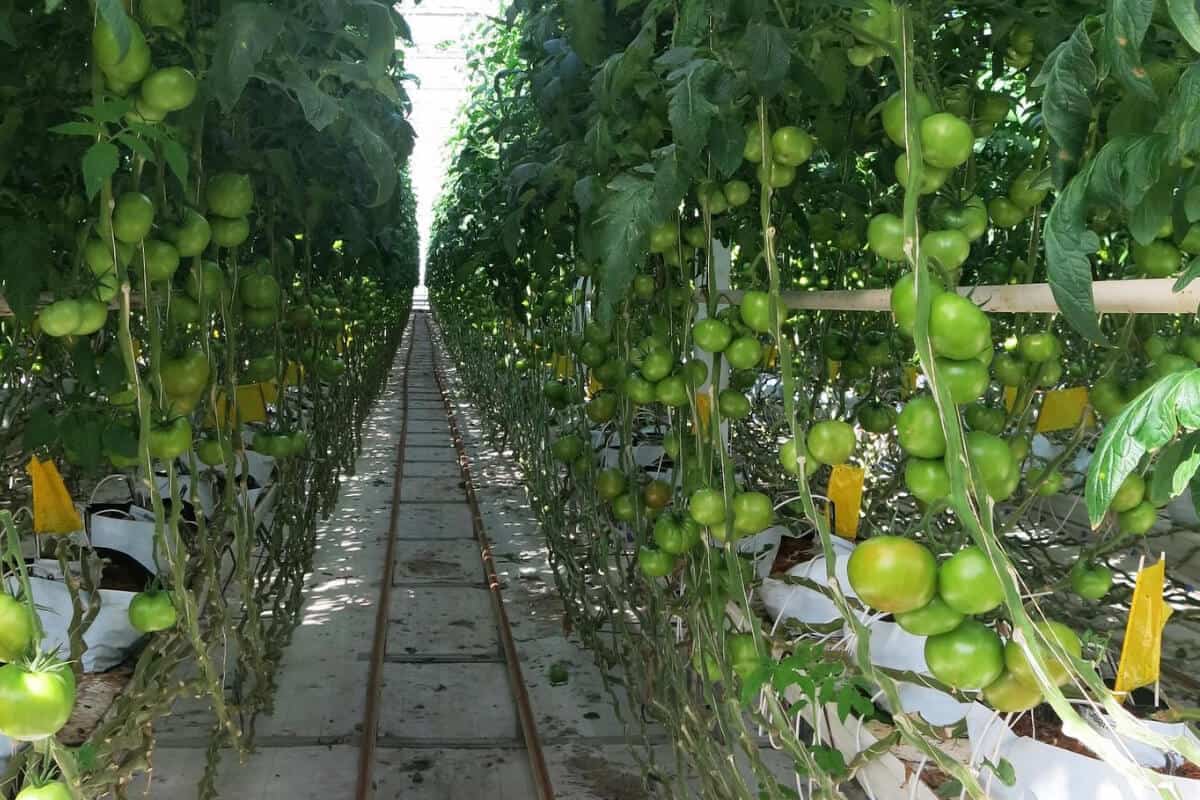
Rows of tomato vines with clusters of green and red tomatoes grow in a hydroponic setup.

Compared to growing tomatoes in soil, hydroponic cultivation is less physically demanding and significantly cleaner — no soil means far fewer pest and disease issues. Under the right conditions, tomato plants can grow 20 to 50% faster in hydroponics and produce three to ten times the yield of their soil-grown counterparts.

Pests are almost always an issue when growing tomatoes in soil. With no soil, pests and diseases decrease substantially, which leads to a higher and more consistent yield.

Key growing details:

  • Growth time: 8 to 14 weeks to first fruit
  • Best systems: Drip system, DWC, Ebb and Flow
  • Ideal pH: 5.8 to 6.3
  • Light: 16 to 18 hours per day
  • Difficulty: Easy to moderate

Tips for success: Choose determinate or dwarf varieties for smaller setups — indeterminate varieties like Beefsteak can grow very tall and require significant vertical support. Tomatoes need more potassium during the fruiting stage, so switch to a bloom-focused nutrient solution once flowers appear. Like strawberries, indoor tomatoes require hand pollination — gently shake or vibrate the stems when flowers open.

We tried cherry tomatoes in our hydroponic setup after years of growing them in containers on the patio, and the difference in yield was hard to believe. The same variety we’d been growing produced so much more fruit than we knew what to do with. The kids were picking tomatoes for school lunches every morning — that was a first.

Learn more about Hydroponic Tomatoes.

5. Cucumbers
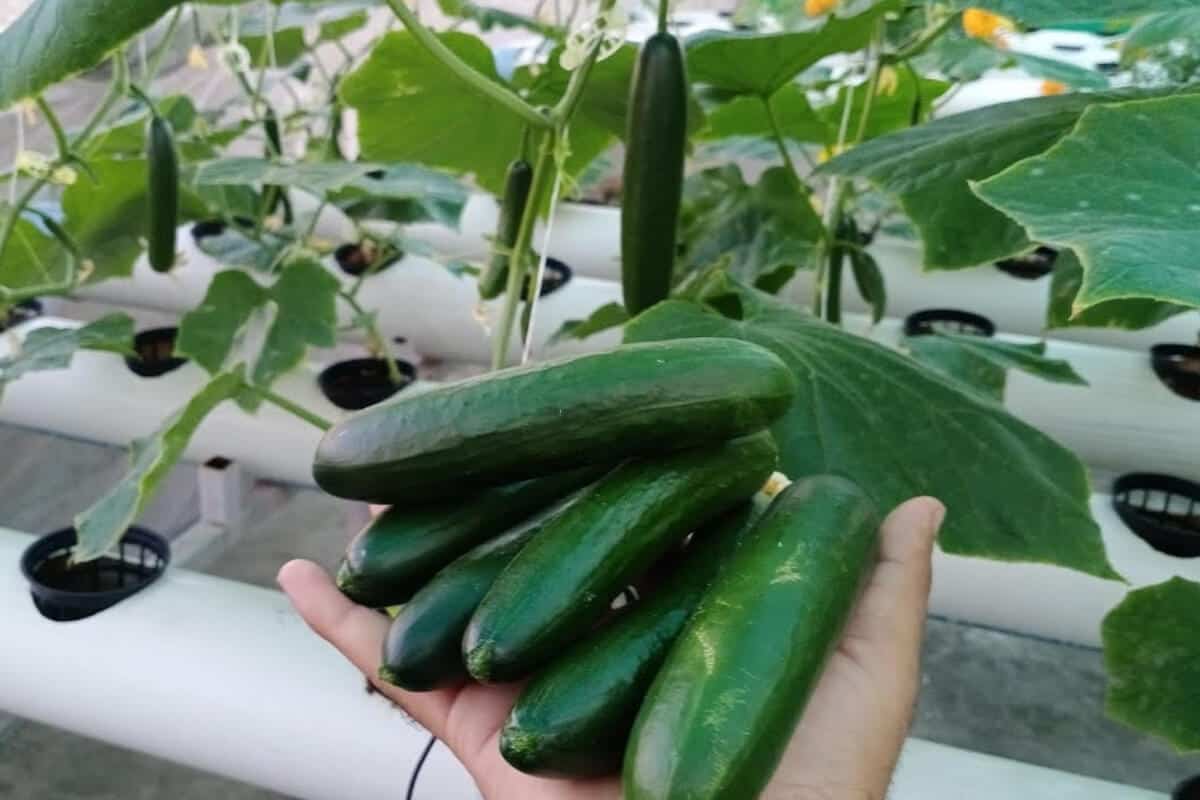
A lush hydroponic greenhouse filled with tall, vibrant green cucumber plants.

Cucumbers are a popular hydroponic crop for good reason. They grow quickly, produce high yields, and adapt well to most system types as long as light and temperature needs are met. All varieties perform well in a hydroponic environment.

Key growing details:

  • Growth time: 6 to 8 weeks to first harvest
  • Best systems: Drip system, DWC, Ebb and Flow
  • Ideal pH: 5.8 to 6.0
  • Light: 16 to 18 hours per day
  • Difficulty: Easy to moderate

Tips for success: Cucumbers are vigorous climbers — always provide a trellis or vertical support structure, or the vines will quickly become unmanageable. Bush or compact varieties work better in smaller indoor setups than standard vining types. Like tomatoes, indoor cucumbers need hand pollination unless you have natural pollinators present.

6. Kale

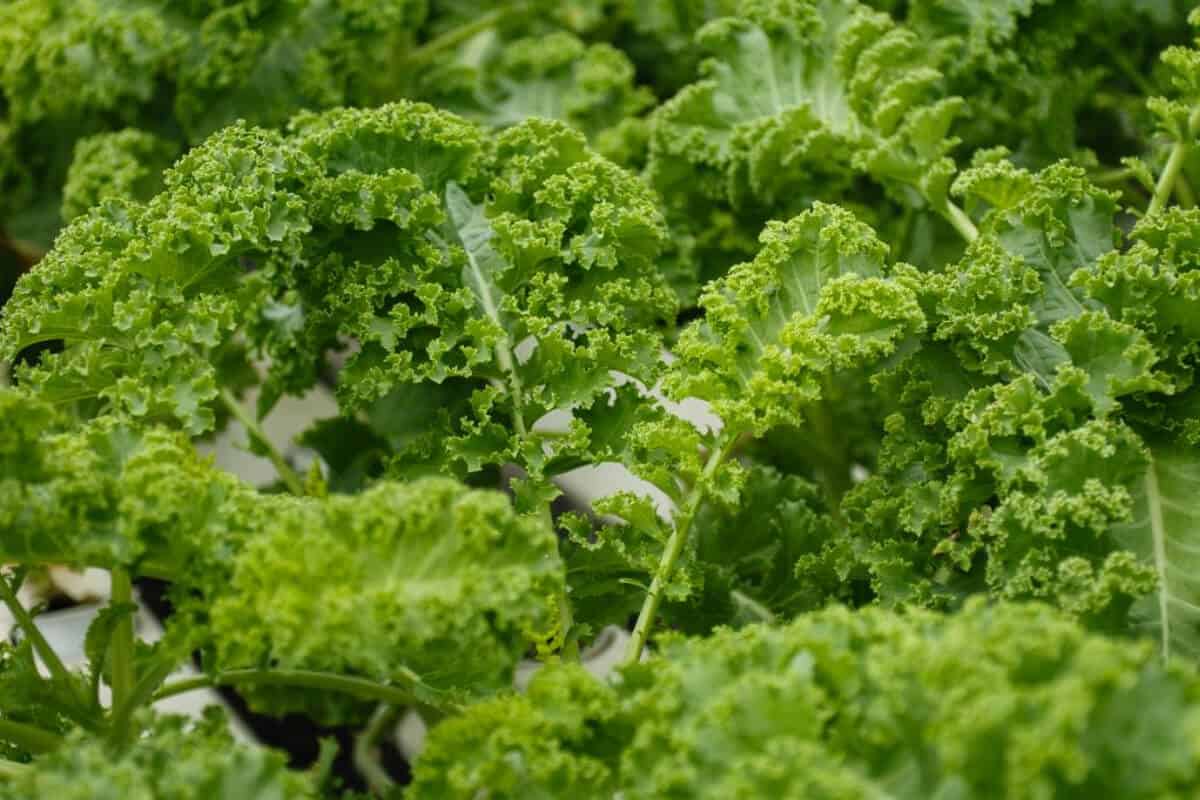
Close-up view of lush green kale plants with curly leaves growing in a hydroponic garden.

Kale can be harvested at almost any point in its growth cycle, which makes it uniquely flexible. You can harvest it as a full-grown plant, or pull it early to eat as a microgreen — in that case, it only takes a few weeks to be ready.

Another advantage is how you start it. Kale can be grown from seeds or cloned from an existing plant, giving beginners multiple low-cost entry points.

Key growing details:

  • Growth time: 50 to 65 days to full maturity; harvest young leaves sooner
  • Best systems: DWC, NFT, Ebb and Flow
  • Ideal pH: 5.5 to 6.5
  • Light: 14 to 16 hours per day
  • Difficulty: Moderate

Tips for success: Kale grows best in slightly cooler temperatures, around 60 to 70°F, which can actually make it easier to manage indoors during cooler seasons. Harvest outer leaves regularly to keep the plant producing. Red Russian and Lacinato (Dinosaur) varieties tend to do particularly well in hydroponic systems.

7. Spinach

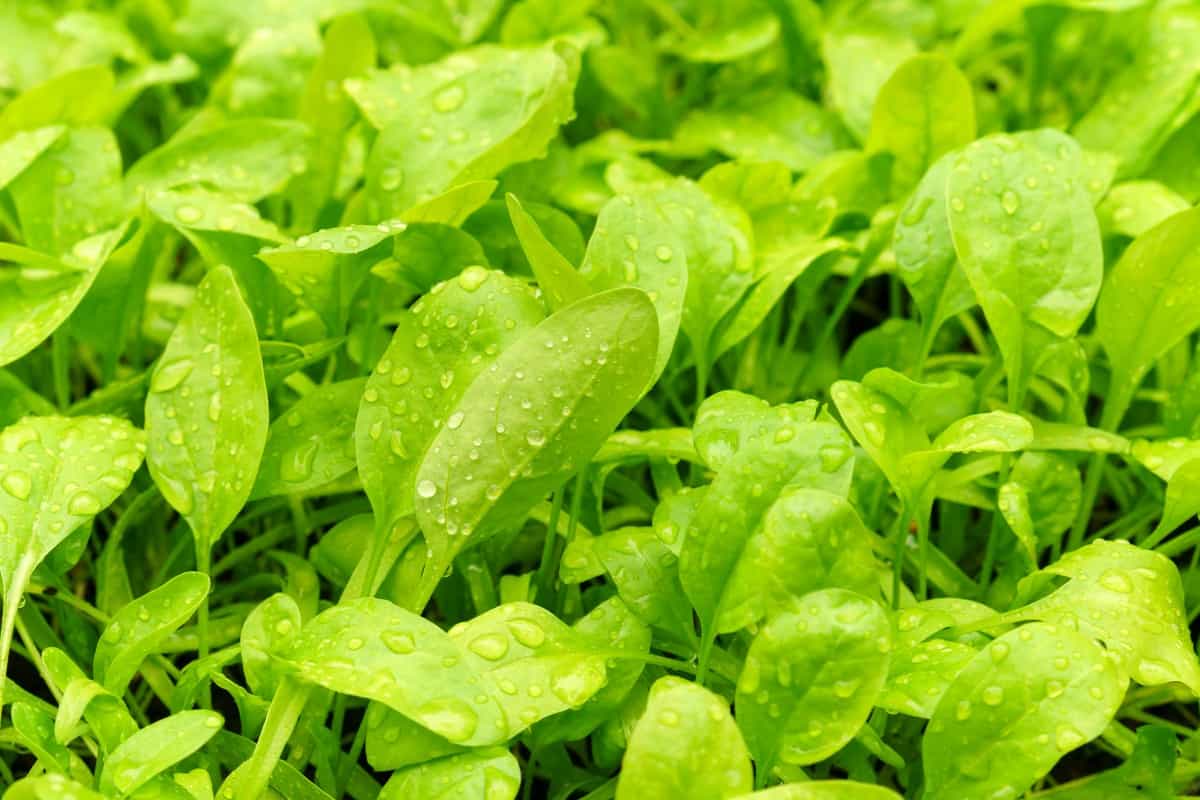
Close-up image of fresh, vibrant green hydroponic spinach leaves covered with small droplets of water.

Similar to other leafy greens, spinach is easy to grow hydroponically because of its compact size, short harvest time, and minimal pest pressure. Spinach seeds germinate in 7 to 14 days and are ready for a full harvest within four to six weeks.

If you want baby spinach, it is ready even sooner. Like other leafy greens, spinach can be grown year-round without seasonal restrictions.

Key growing details:

  • Growth time: 4 to 6 weeks
  • Best systems: NFT, DWC, Kratky
  • Ideal pH: 6.0 to 7.0
  • Light: 12 to 14 hours per day
  • Difficulty: Easy

Tips for success: Spinach bolts quickly in warm temperatures, so keep water temps cool and avoid placing your system near heat sources. It prefers lower light intensity than tomatoes or cucumbers, making it ideal for setups with modest grow lights. Smooth-leaf varieties like Catalina or Corvair are more compact and better suited to hydroponic systems than savoy types

8. Beans

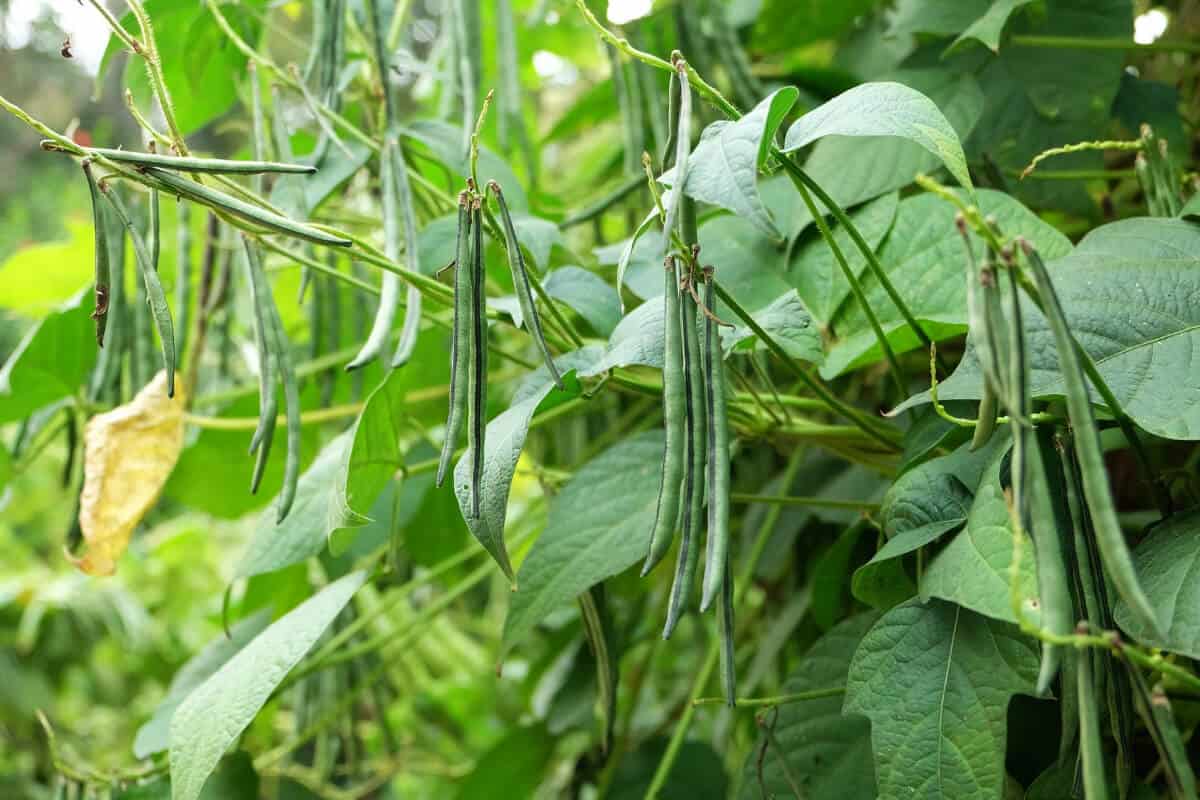
Close-up of green hydroponic beans growing on a lush plant.

Beans are easily grown hydroponically because they require very few nutrients. The plant naturally fixes nitrogen from the air, which simplifies your nutrient management significantly.

Any type of bean does well in a hydroponic system with minimal input. Bush beans are a better choice for most home setups, as they stay compact and do not need extensive structural support. If you choose pole beans, make sure to have a trellis ready before planting.

Key growing details:

  • Growth time: 6 to 8 weeks
  • Best systems: DWC, Ebb and Flow, drip system
  • Ideal pH: 6.0 to 6.5
  • Light: 14 to 16 hours per day
  • Difficulty: Easy

Tips for success: Bush varieties like Provider or Contender are the most manageable for indoor hydroponic setups. Because beans are nitrogen-fixers, they can do more damage than good if given a high-nitrogen nutrient solution — use a well-balanced formula and avoid heavy nitrogen additives. Beans produce a heavy yield for their size, so expect a very productive harvest relative to the space they occupy.

9. Basil

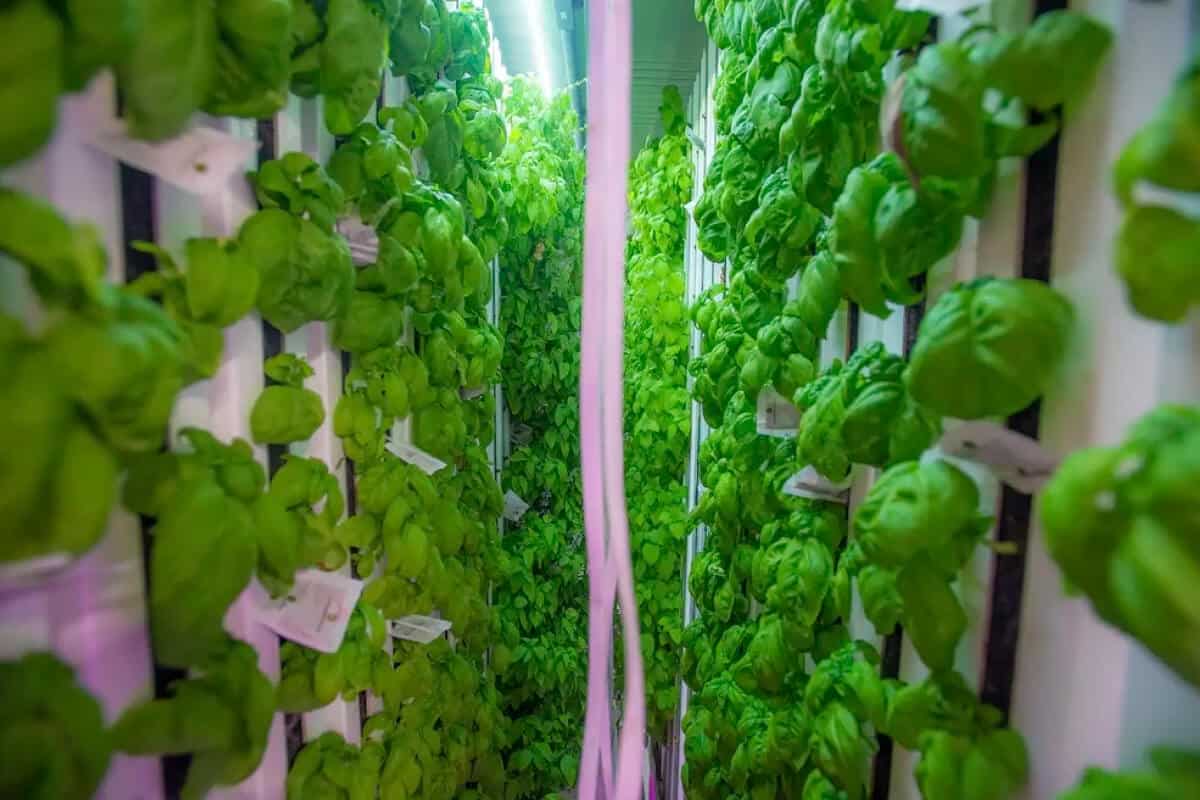
Hydroponic basil plants with lush, green leaves growing in a controlled environment.

Basil can be started in your hydroponic system from seeds or cuttings. In just 28 days it will be ready for its first harvest. After that, you can harvest and trim your basil plants weekly to keep them producing throughout the season.

Some of the fastest-growing varieties include Aroma 2, Genovese, Prospera, and Rutgers Devotion DMR.

Key growing details:

  • Growth time: 3 to 4 weeks to first harvest
  • Best systems: DWC, NFT, Kratky
  • Ideal pH: 5.5 to 6.5
  • Light: 14 to 16 hours per day
  • Difficulty: Easy

Tips for success: Pinch off flower buds as soon as they appear — once basil bolts, the leaves become bitter and production slows sharply. Basil loves warmth, so keep water and air temperatures above 65°F. Harvest from the top of the plant rather than stripping lower leaves, and always leave at least two sets of leaves per stem so the plant can recover and regrow quickly.

Related: How to Grow Hydroponic Basil (No Soil Needed)

10. Mint

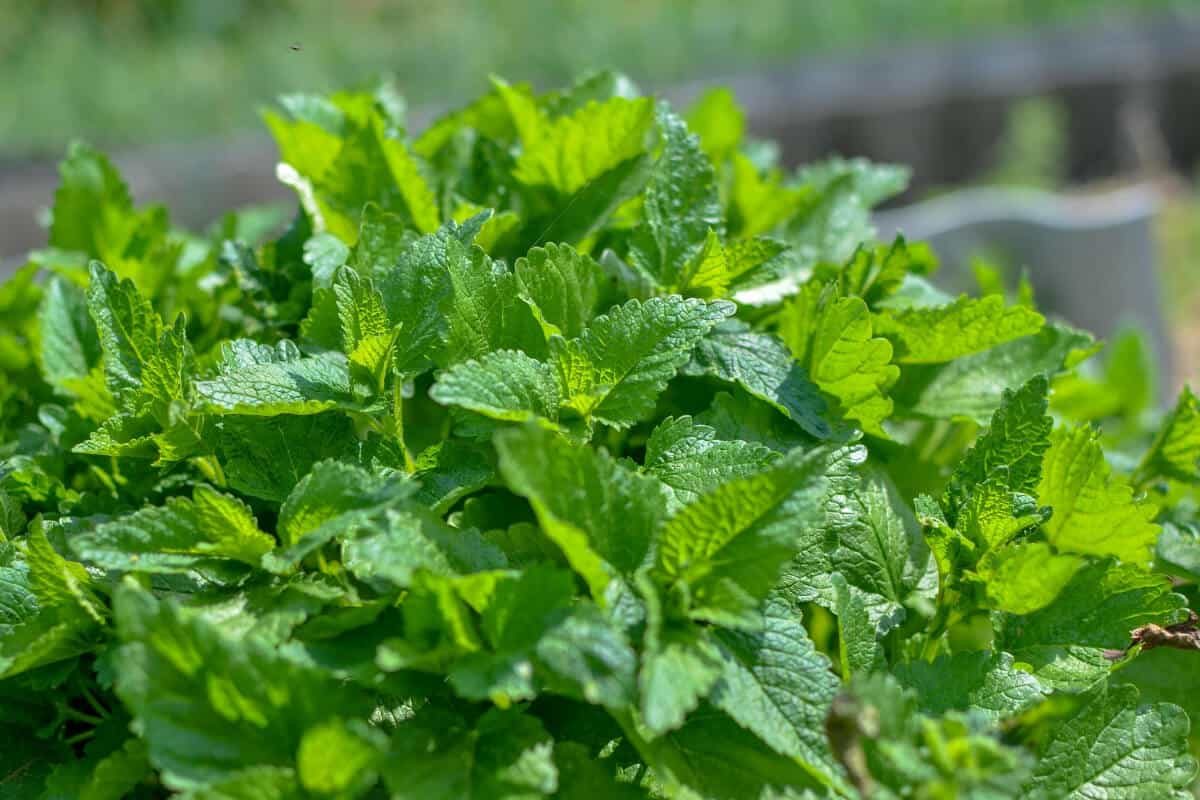
A close-up of vibrant green hydroponic mint leaves flourishing in a garden.

Growing mint hydroponically has been described as nearly foolproof. Mint is an adaptable herb that grows in partial shade and thrives in almost any type of hydroponic system. It is so low-maintenance that even placing cuttings in a jar of water on a sunny windowsill will produce a workable result.

Key growing details:

  • Growth time: 6 to 8 weeks to first harvest
  • Best systems: DWC, NFT, Kratky — any system works
  • Ideal pH: 5.5 to 6.0
  • Light: 12 to 16 hours per day (tolerates partial shade)
  • Difficulty: Very easy

Tips for success: Start mint from cuttings rather than seeds for faster and more reliable results — just snip a 4-inch stem, remove the lower leaves, and place the cut end in your hydroponic medium. Spearmint and peppermint are the most productive varieties for hydroponic setups. Keep an eye on root growth — mint can be vigorous and may need trimming to avoid clogging your system over time.

Other Easy Hydroponic Plants Worth Trying

The 10 plants above are the most beginner-friendly options, but several others are worth considering once you have a few grows under your belt.

Green onions are among the fastest crops you can grow hydroponically, ready to harvest in just 3 to 4 weeks and capable of regrowing multiple times after cutting. They require very little space and tolerate minor fluctuations in pH and nutrients.

Microgreens are arguably the easiest of all. Most varieties are ready to harvest in 7 to 21 days and thrive in simple shallow trays with minimal nutrient solution. They are an excellent choice for anyone who wants near-instant results.

Bell peppers are slightly more demanding than the main list but still accessible for intermediate growers. They require strong light, stable temperatures, and manual pollination indoors, but reward that attention with a long and productive harvest season.

Watercress is one of the fastest-growing plants you can add to a hydroponic setup. It thrives in cool, wet conditions and is ready to harvest in 4 to 6 weeks.

Hydroponic gardening offers a lot of possibilities. If you’re interested in exploring even more, take a look at some of our other guides on hydroponic plants you can grow.

Hydroponic AvocadosHydroponic Mushrooms
Hydroponic CarrotsHydroponic Orchids
Hydroponic CilantroHydroponic Peppers
Hydroponic HerbsHydroponic Potatoes
Hydroponic MicrogreensHydroponic Vegetables

Best Hydroponic Systems for Beginners

Choosing the right system makes a significant difference for new growers. The four most beginner-friendly options are:

  • Deep Water Culture (DWC) is the most widely recommended starting point. Plants sit in net pots above a reservoir of oxygenated nutrient solution, with their roots submerged directly in the water. It is simple to build, easy to monitor, and works well for almost every plant on this list. A basic 5-gallon bucket setup is one of the lowest-cost ways to start.
  • Kratky Method is a passive version of DWC that requires no pump or electricity. You fill a reservoir, suspend plants in net pots above it, and let them grow. As plants drink the solution, an air gap forms naturally above the waterline, providing oxygen to the roots. It works best for lettuce, herbs, and other low-demand crops.
  • Nutrient Film Technique (NFT) pumps a thin stream of nutrient solution continuously over the roots in a sloped channel. It is efficient with water and nutrients, scales well, and is excellent for leafy greens and herbs. The main drawback is that any air pump failure quickly stresses the plants.
  • AeroGarden and similar all-in-one systems are the easiest entry point of all — lights, timer, pump, and seed pods are bundled together with no setup required. They are limited in scale but ideal for beginners who want to grow herbs and lettuce without any technical learning curve.

Related: Check out the Ebb and Flow Hydroponic System

What Cannot Be Grown Hydroponically?

Most plants that grow in soil can technically be grown hydroponically, but some are impractical for home growers.

  • Large root vegetables are the most common limitation. Crops like carrots, potatoes, sweet potatoes, yams, parsnips, and turnips develop their edible portion underground, which is difficult to manage in most hydroponic systems. While some specialized setups exist for these crops, they are not worth attempting as a beginner.
  • Corn requires far too much space and light to be practical in a typical home hydroponic setup. A single plant produces only one or two ears, making the space-to-yield ratio extremely poor.
  • Large vining crops such as winter squash, pumpkins, and standard watermelons grow too aggressively for most indoor systems. They require significant structural support and take up far more space than the yield justifies.
  • Full-size fruit and nut trees are not viable for hydroponic growing due to their root depth, structural requirements, and multi-year development timelines. Dwarf fruit tree varieties can be grown hydroponically but require advanced setups and significant experience.

Tips for Hydroponic Growing Success

Regardless of which plant you start with, a few fundamentals apply across the board.

Monitor pH consistently. Most hydroponic plants perform best at a pH between 5.5 and 6.5. Even a small drift outside that range can lock out nutrients and cause deficiencies that look like a dozen different problems. Check pH at least every other day when starting out, and daily if you notice any plant stress.

The thing that tripped me up early on was pH. I’d see my basil looking pale and immediately blame nutrients, add more solution, and make things worse. Once I started monitoring pH daily for the first few weeks — I use a basic digital pH meter — everything clicked. Most problems I thought were nutrient issues turned out to be pH drift.

Keep water temperature in range. The optimal water temperature for most hydroponic crops is 65 to 72°F. Warmer water holds less dissolved oxygen and promotes root rot. Cooler water slows nutrient uptake and plant growth.

Start with a quality nutrient solution. A complete hydroponic nutrient solution provides nitrogen, phosphorus, potassium, and all the micronutrients your plants cannot get from water alone. Follow the manufacturer’s dilution rate and avoid the temptation to overfeed — nutrient burn is one of the most common beginner mistakes.

Change reservoir water regularly. Even with top-offs, the nutrient balance in your reservoir drifts over time as plants selectively absorb different elements. A full reservoir change every 1 to 2 weeks keeps conditions consistent and prevents salt buildup around the roots.

Provide adequate light. Most fruiting plants need 16 to 18 hours of light per day under LED grow lights. Leafy greens and herbs can get by with 12 to 14. If your plants are leggy or slow to develop, insufficient light is usually the first thing to check.

Related: 11 Key Differences Between Growing with Hydroponics vs Soil

Frequently Asked Questions

What is the single easiest plant to grow hydroponically?

Lettuce is consistently ranked as the easiest hydroponic crop for beginners. It grows in virtually any system, requires minimal nutrients, and is ready to harvest in 3 to 4 weeks. Mint and chives are close alternatives if you prefer herbs.

How long does it take to grow vegetables hydroponically?

It depends on the crop. Lettuce, spinach, and herbs are typically ready in 3 to 6 weeks. Tomatoes, cucumbers, and beans take 6 to 14 weeks depending on variety and conditions.

Do hydroponic plants need sunlight?

They need light, but not necessarily direct sunlight. Most growers use LED or fluorescent grow lights, which allows for year-round production in any indoor space. If you have a south-facing window with very strong natural light, some plants — particularly herbs and leafy greens — can grow without supplemental lighting.

What plants are hardest to grow hydroponically?

Large root vegetables (carrots, potatoes, sweet potatoes), corn, large vining crops (pumpkins, winter squash), and full-size fruit trees are the most challenging or impractical for home hydroponic setups.

Can you grow hydroponic plants without a pump?

Yes — the Kratky Method is a pump-free passive system that works well for lettuce, herbs, and other leafy greens. It is one of the most beginner-friendly hydroponic methods available.

Photo of author

Written by:

Henry Bravo
Henry Bravo, a University of California, Davis graduate with a BS in Plant Sciences, combines his expertise in horticulture with a passion for smart technology. He specializes in smart gardens, hydroponics, and robotic lawn care, aiming to enhance gardening practices for families. Henry's articles focus on integrating cutting-edge technology to make gardening more efficient and enjoyable, reflecting his commitment to merging natural greenery with innovative solutions.